A single fly in a customer’s meal. One bluebottle circling a display case. A fruit fly hovering above a prep surface during an Environmental Health inspection. These are not minor inconveniences, they are business critical events with consequences that can unfold fast.
Fly infestations are among the most common pest problems faced by UK businesses, yet they’re frequently underestimated until the damage is already done. This guide covers what a serious fly problem actually looks like, why it develops, and what professional fly control can do to protect your premises, your people, and your reputation. For a full breakdown of the services available, visit the Elite Pest Management fly control page.
Why Flies Are More Than a Nuisance
Flies are disease vectors. That’s not alarmist — it’s basic biology. House flies and fruit flies pick up bacteria, pathogens, and contaminants from decaying food, drains, and refuse, then transfer them directly onto clean surfaces, food, and packaging.
The pathogens commonly associated with fly activity include:
- coli – linked to serious gastrointestinal illness and, in food businesses, potential product recalls
- Salmonella – a notifiable disease with significant public health and legal implications
- Typhoid-causing bacteria – rare in the UK but not impossible in environments with poor hygiene control
For businesses operating in food manufacturing, hospitality, healthcare, or any customer-facing environment, this level of contamination risk is simply not acceptable. The Health & Safety Executive and Environmental Health Officers take fly activity in food premises seriously, and inspections can result in enforcement action, closure notices, and public-facing ratings that are difficult to recover from.
The Three Flies You're Most Likely to Encounter
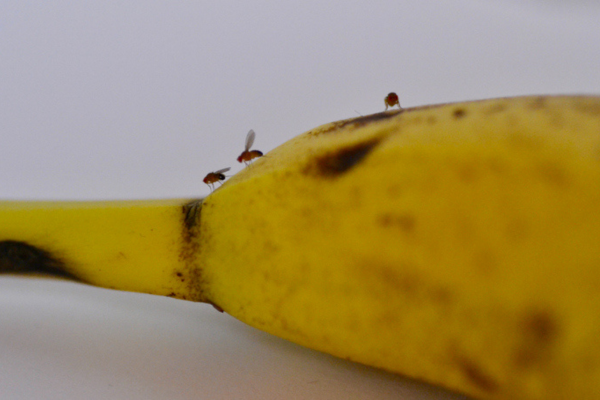
Fruit Flies (Drosophila)
Small, persistent, and remarkably prolific. A single female fruit fly can lay up to 500 eggs in her lifetime, and the lifecycle from egg to adult can complete in as little as a week under warm conditions. What begins as a handful of flies around a drain or recycling bin can become a significant infestation before anyone takes action.
Fruit flies are a particular concern for food retail, catering, and hospitality businesses. They’re associated with fermentation and decay; the smell of overripe fruit, the residue in a floor drain, the inside of a keg line. Environmental Health inspectors will flag fruit fly activity in food preparation and service areas as a matter of course.
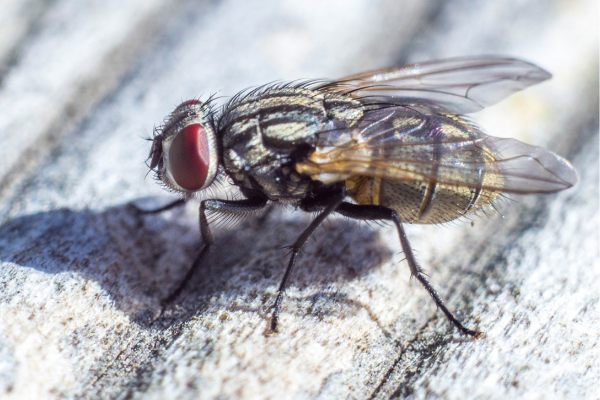
House Flies (Musca domestica)
The most visible and most contaminating species. House flies feed by regurgitating digestive fluids onto food and then consuming the liquefied result, a process that instantly transfers whatever pathogens they’re carrying. They thrive wherever hygiene standards slip, which makes their presence both a symptom and a cause of further problems.
In food service and customer, facing environments, a visible house fly is immediately associated with cleanliness failures by both customers and inspectors. The reputational damage is often disproportionate to the underlying issue, which is exactly why early intervention matters.
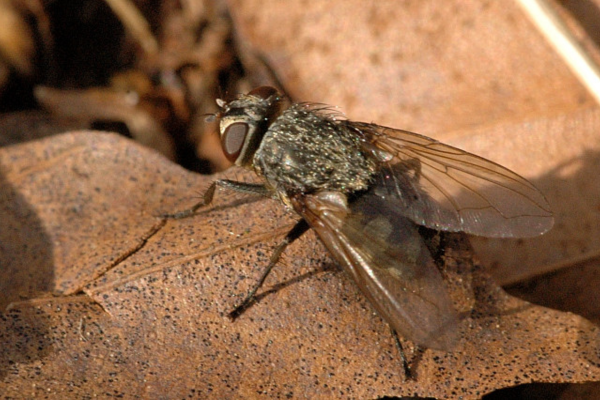
Cluster Flies (Pollenia rudis)
Cluster flies are seasonal invaders. In autumn, they seek out warm, sheltered spaces to make it through winter; roof voids, wall cavities, loft spaces, and the gaps around window frames are all common entry points. They gather in large numbers, emerging again in spring when temperatures rise.
Unlike house flies, cluster flies are not strongly associated with contamination. Their impact is primarily on the fabric of the building and on the comfort and perception of anyone using it. A cluster fly emergence in a hotel, office, or retail environment during the day is the kind of incident that ends up in reviews.
How Fly Infestations Develop (and Why They Escalate)
Fly infestations don’t appear overnight. They develop through a combination of access, attraction, and opportunity, and they tend to escalate faster than people expect.
The typical progression looks like this:
- An entry point goes unaddressed – a gap around a door frame, a damaged window seal, an open loading bay, a roof vent with no screening
- An attractant is present – food waste, organic residue in drains, standing water, decaying material in a bin area or food store
- Breeding begins – often in a location that’s difficult to access or inspect: a drain, beneath equipment, in a wall cavity
- The population builds – by the time flies are visible in numbers, the breeding site has usually been active for some time
The challenge for businesses is that the conditions which allow fly infestations to develop are often baked into the daily rhythms of the operation. Busy kitchens, high-footfall entrances, seasonal outdoor dining, food waste management pressures. All of these create the conditions flies need.
What Professional Fly Control Actually Involves
Professional fly management is not the same as reactive pest control. It’s a structured process that begins with identification and ends with ongoing monitoring because elimination without prevention just invites recurrence.
The Elite Pest Management approach works through four stages:
1. Inspection and Species Identification
The species determines the strategy. Technicians assess the premises, identify the fly species present, and establish where they’re entering, what’s attracting them, and where breeding is occurring. This stage is the foundation of everything that follows.
2. Targeted Treatment
Once the picture is clear, treatment is applied specifically to the problem. This may include direct treatment of adult fly populations, treatment of identified breeding sites, and installation or adjustment of fly control units. Blanket approaches are less effective and less sustainable — targeted treatment gets results faster and with less disruption.
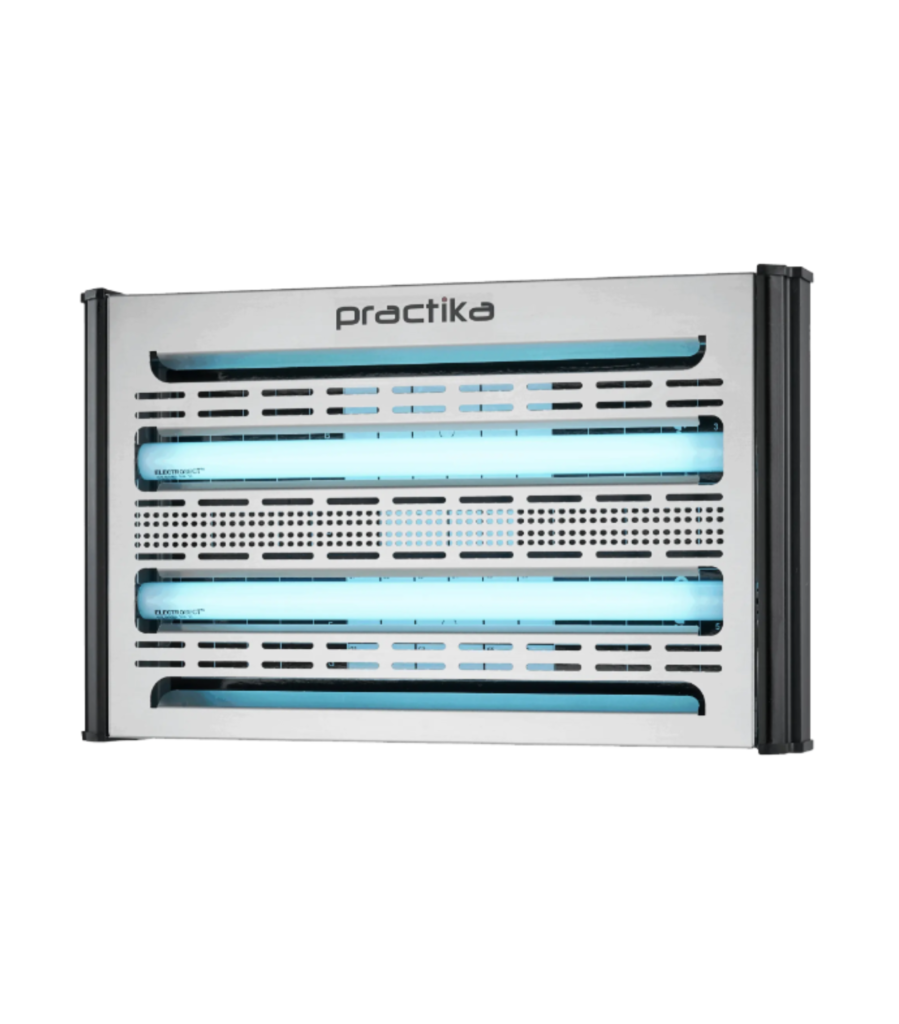
3. LED Fly Control Units
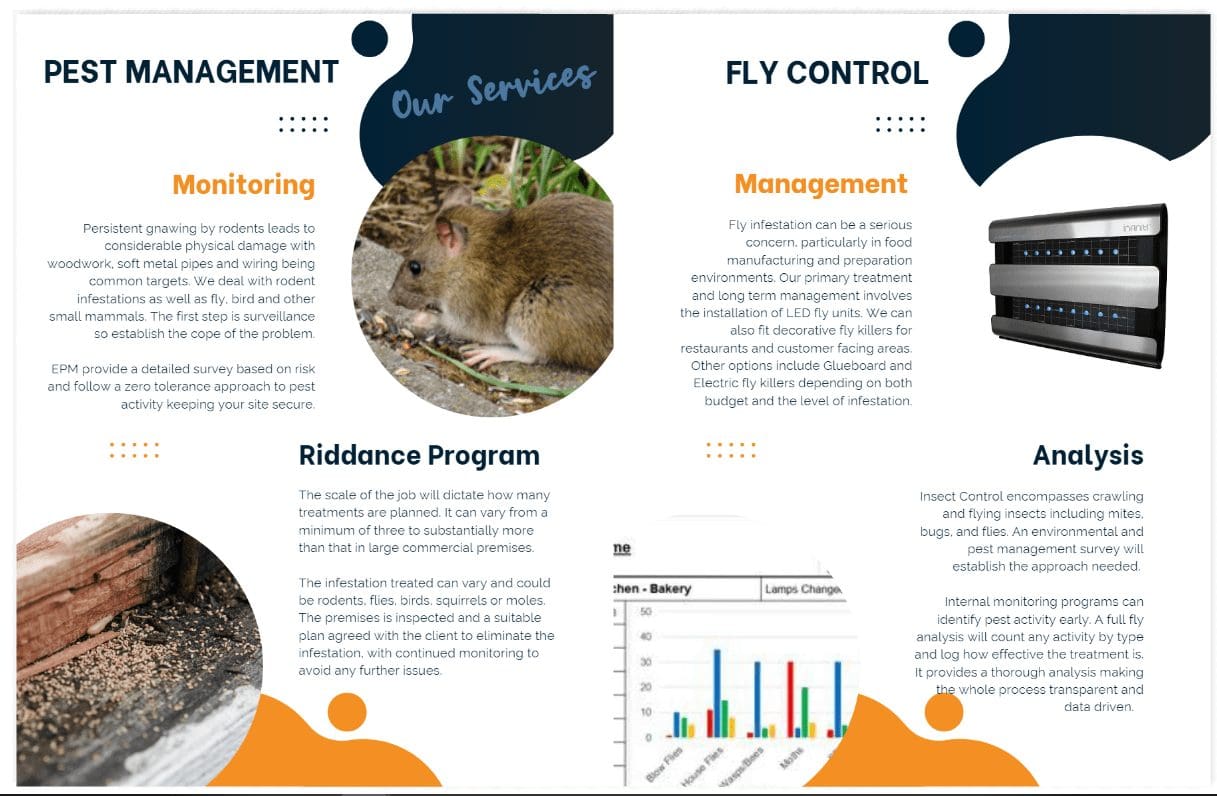
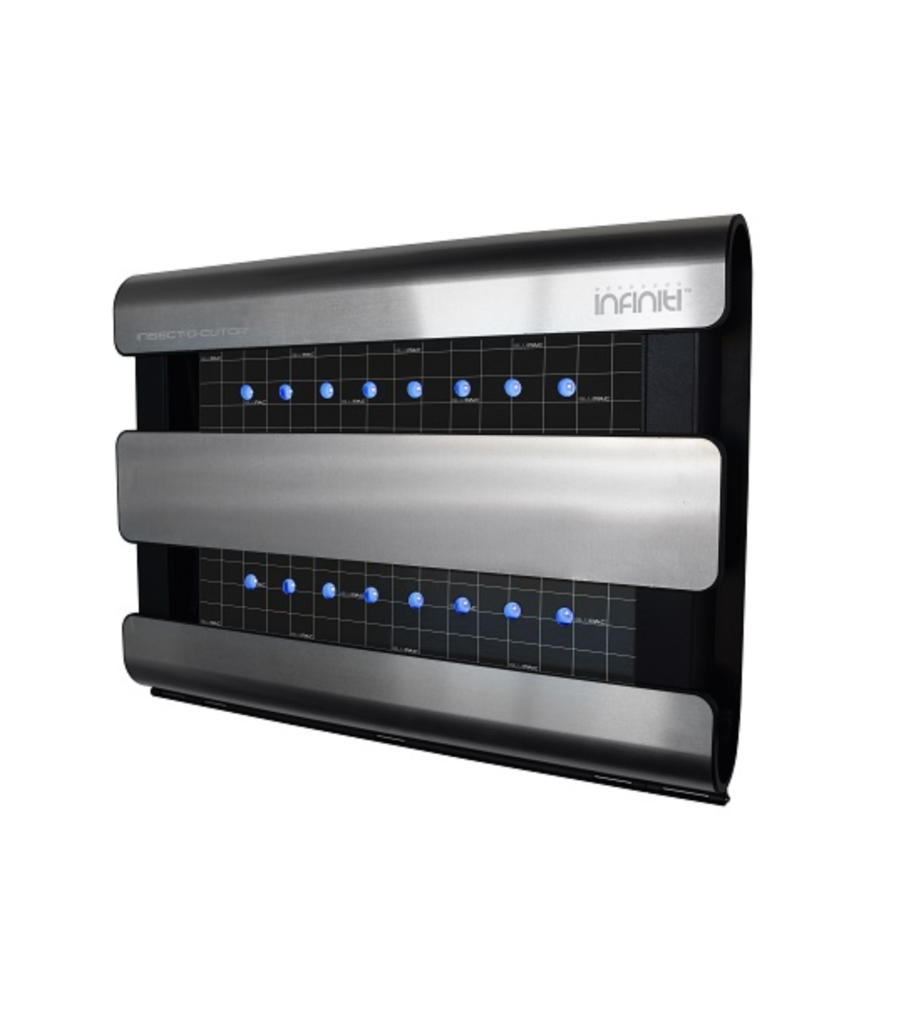
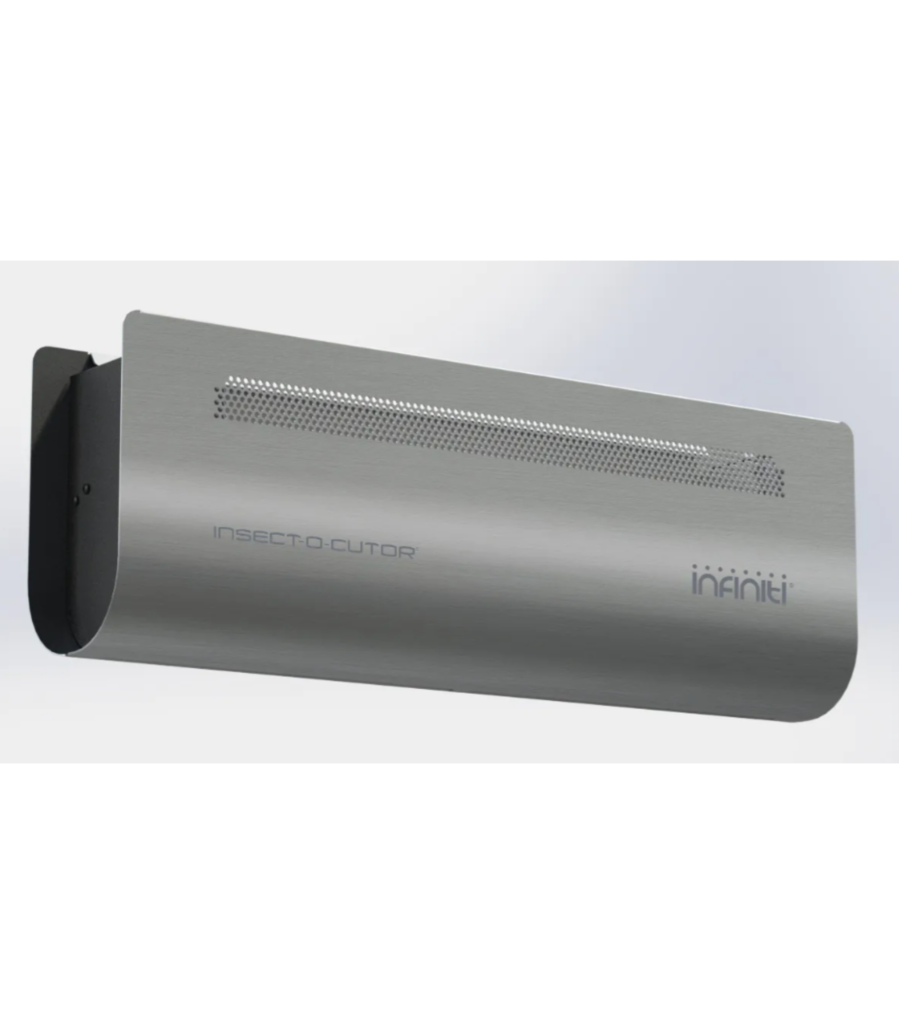
LED fly units have become a central tool in modern fly management. They’re energy-efficient, effective, and they attract, trap, and hold flies for species identification. The catch data from a fly unit can tell you a great deal: which species are present, in what numbers, and whether your broader control measures are working.
For customer-facing environments, there are now discreet and even decorative fly unit options that don’t compromise the aesthetic of a space. The alternatives, traditional electric fly killers and glue boards, remain effective and may be better suited to certain environments depending on scale and budget.
4. Housekeeping Guidance and Ongoing Monitoring
Pest control without housekeeping improvement is temporary. EPM technicians work with clients to identify the practices that need to change; waste management, drain cleaning schedules, storage standards, and put regular monitoring in place to catch problems before they develop.
The Business Case for Fly Control
For businesses that haven’t yet experienced a serious fly problem, pest control can feel like a discretionary spend. It isn’t. Here’s the practical case:
- Brand protection: Fly activity in customer-facing areas damages reputation in ways that are difficult to quantify and harder to repair. One photograph on a review platform can outweigh years of good service.
- Regulatory compliance: Food businesses operating under the Food Safety Act and associated regulations have a legal duty to manage pest activity. Environmental Health inspections are unannounced, and findings are public.
- Cross-contamination prevention: The bacterial transfer risks from fly activity are real and documented. In food manufacturing and processing environments, a contamination incident has supply chain and contractual implications beyond the immediate business.
- Hygiene ratings: Fly infestations directly affect Food Hygiene Rating Scheme scores. A lower rating is displayed publicly and can affect footfall and procurement decisions.
- Staff wellbeing: Active infestations affect the working environment. The noise, the visibility of pests, and the anxiety about standards all have a measurable impact on team morale.
Fly Control Across Sectors
Elite Pest Management works with businesses across a range of sectors, and the fly management challenges vary considerably between them. Food manufacturing and processing environments require a particularly rigorous approach. EPM works with a chain of supermarkets on ongoing fly analysis, management, and prevention as a continuous programme rather than a reactive service.
Other sectors with specific fly control requirements include:
- Hospitality and QSR- high volume, high footfall, and kitchen environments that require year-round management
- Warehouse and distribution – large buildings with multiple access points and often seasonal infestation pressure
- Pharmaceutical and healthcare – where contamination standards are non-negotiable and the consequences of failure are severe
- Packaging and manufacturing – where fly activity can compromise product integrity and trigger supply chain consequences
Getting Started: The Free Site Assessment
Every fly control engagement with EPM begins with a free site assessment. This initial visit establishes the scope of the problem, the species involved, and the recommended approach, regardless of whether you go on to use EPM’s services. It is a no-obligation process that gives you genuine insight into what you’re dealing with.
All EPM technicians are BPCA certified, and the company has experience managing fly infestations across commercial and domestic environments throughout the UK.
To request a free assessment or find out more about professional fly control, visit: elitepestmanagement.co.uk/services/pest-control-for-flies/ or call 01427 613923.
*This article may be reproduced for editorial, educational, or syndication purposes with attribution to Elite Pest Management and a link to the original source.