
Finding A Fly Infestation Solution
An influx of flies can become a significant nuisance in homes and businesses. One fly in a customer’s meal or a food product can result in disastrous implications for businesses. Flies spread bacteria such as E. coli, Salmonella, and Typhoid. This guide will cover the significant threats posed by flies and how infestations occur, as well as key strategies for pest control.
- Prevent flies from entering. Seal doors, windows, cracks, and roof vents to prevent flies from entering the property. This can be challenging since even the smallest gap can serve as a gateway for flies but you can address the issue by finding where they are entering.
- Maintain good housekeeping: effective housekeeping practices is essential. Regularly clearing away food waste will eliminate potential breeding areas for flies and LED fly units to attract, capture, kill and identify pest fly species.
- Effective Eradication: After adequately identifying the species of flies, you can use effective control treatments, such as strategic treatments and LED fly control units, to eradicate them.
- **Regular Monitoring**: Conduct regular checks to monitor the situation. EPM inspects the areas frequently to ensure you are notified of potential breeding sites to prevent future infestations.
Free Quotation
Our Fly Management Process
Our approach is transparent. First, we inspect the premises and determine the species; then we determine the attraction or reason for their presence and how they got into the premises. We then use a specific treatment to eliminate adult flies while recommending in a strict housekeeping process to remove ant breeding areas and prevent future infestation. All our technicians are BPCA certified and experienced in controlling flies in various businesses, from food manufacturing to offices and homes. We will continue to monitor the premises to ensure housekeeping is maintained and prevent future fly issues from arising.

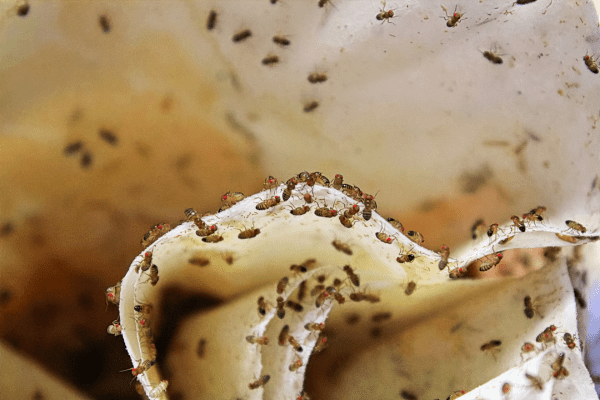
Fruit Fly Infestation
Fruit flies breed very quickly and can lay up to 500 eggs, so a small problem can become a large infestation in a week. Health & Safety and Environmental Health inspectors will flag up fruit flies infesting areas around food preparation, processing, or dining. This can impact brand reputation. Fruit flies are associated with cross-contamination as they carry bacteria and pathogens from rubbish, fermenting or decaying food, and drains into sanitised areas.
EPM handle this issue of businesses in food retail, food processing, hotels, cafes & restaurants, and hospitality. Protecting brand image and preventing further lapses is core to any approach.
House Fly and Cluster Fly Infestation
Cluster flies are adept at entering through small cracks around doors and window frames. They are attracted by decaying, rotting, or sweet-smelling food items. Cluster flies gather in large numbers in the Autumn months. This is also when their life cycle brings them into buildings, especially roof voids, for hibernation. House flies are more likely to enter food and serving areas due to the presence of food and thrive where hygiene improvements are required; the very nature of how a house fly feeds provides an instant transfer of pathogens and disease to food. House flies and cluster flies can be very distressing . All flies are instantly associated with disease and poor cleanliness, which can impact brand image, especially in restaurants, hotels, and customer-facing businesses.
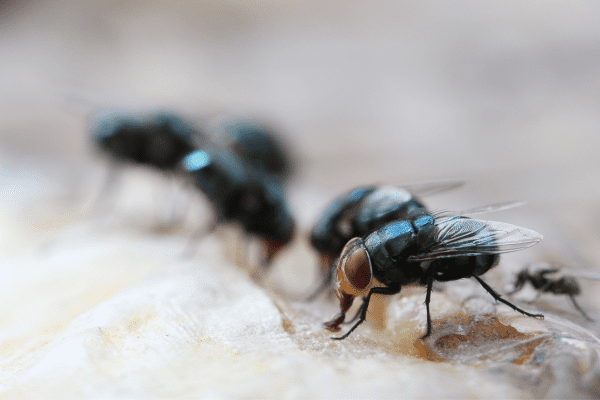
Commercial Fly Management
Fruit flies and cluster flies are just two types of flying insects that can be a nuisance for both homes and businesses. Other common flying pests include ants, wasps, bluebottles, fruit flies, and lesser house flies. Managing fly infestations is a crucial part of our business, particularly because we serve many clients in the food manufacturing and processing sector.
Our technicians have years of experience handling sensitive situations where both brand protection and pest elimination are of utmost importance. We collaborate with a chain of supermarkets, where fly analysis, management, extermination, and prevention are ongoing tasks. We use the same approach for both small and large businesses, ensuring transparency and efficiency throughout the process.
Our initial assessment and quote are provided at no charge, and we always recommend completing this step, even if you decide not to proceed. This assessment gives you valuable insights into the issue and our recommended approach to resolving it. We work closely with clients to ensure they understand the treatments and can maintain regular housekeeping practices to protect their business once we conclude our services.
Free Quotation

Fly Units
Energy-efficient LED Fly units provide long-term management of flies after entry into an area. They attract flies to the unit, trap and kill them, and hold them for species identification, in turn identifying potential hygiene issues and entry points. They are becoming increasingly stylish and very effective in the extermination of flies and, crucially, the prevention of infestations. If you can discourage growth and breeding by identifying early and eliminating adult flies, then these handy units become an essential part of the strategy.
We can also fit decorative fly units for cafes, hotels, restaurants and other customer facing spaces. The alternatives to fly units are glue boards and electric fly killers. The equipment selected will depend on the scale of the infestation and the budget allocated to pest management. We work with you as part of your team to find a solution that is both effective and sustainable.
What are the benefits of pest control for flies?
- Protects Brand Image by quickly and efficiently eliminating large numbers of pest flies, businesses can ensure that clients and customers have a positive experience, which helps maintain a good reputation.
- Prevents Cross-Contamination, certain fly species can pick up bacteria and pathogens from rotting or discarded food, drains, and rubbish, and transfer them to clean areas. This can lead to the spread of diseases, potentially resulting in interventions by the Health & Safety and Environmental Health Agencies. Serious cases of E. coli and Salmonella poisoning can lead to business shutdowns.
- Professional Treatment: A professional pest management company will identify the specific species of flies and apply the appropriate treatment. Technicians registered with the British Pest Control Association (BPCA) possess the necessary qualifications and skills to handle the situation professionally and expertly.
- Improves Housekeeping Practices, effective pest control contributes to better cleanliness and enhances the overall appearance of the premises. This can lead to higher hygiene ratings and improved standards.
- Prevents Future Infestations, an efficient approach to fly pest management helps to reduce the risk of future infestations.
- Minimizes Noise Disturbance, active fly infestations can be noisy and alert people to the problem, creating a nuisance in homes and workplaces. Effective pest control reduces this disturbance.