What do you know about pests and what do you know about pest control? Let's find out...
There are lots of myths that circulate in society. We often pass them on to the next generation without question because they feel like solid truths. But, what if they are not? What if we have been getting it wrong? Now you may know some of these myths and you might have figured out the truth for yourself. We are just here to put out a little knowledge and test a few assumptions we come across regularly. Let’s dive into them.
Myth - 1
Only dirty houses get infested with bugs.
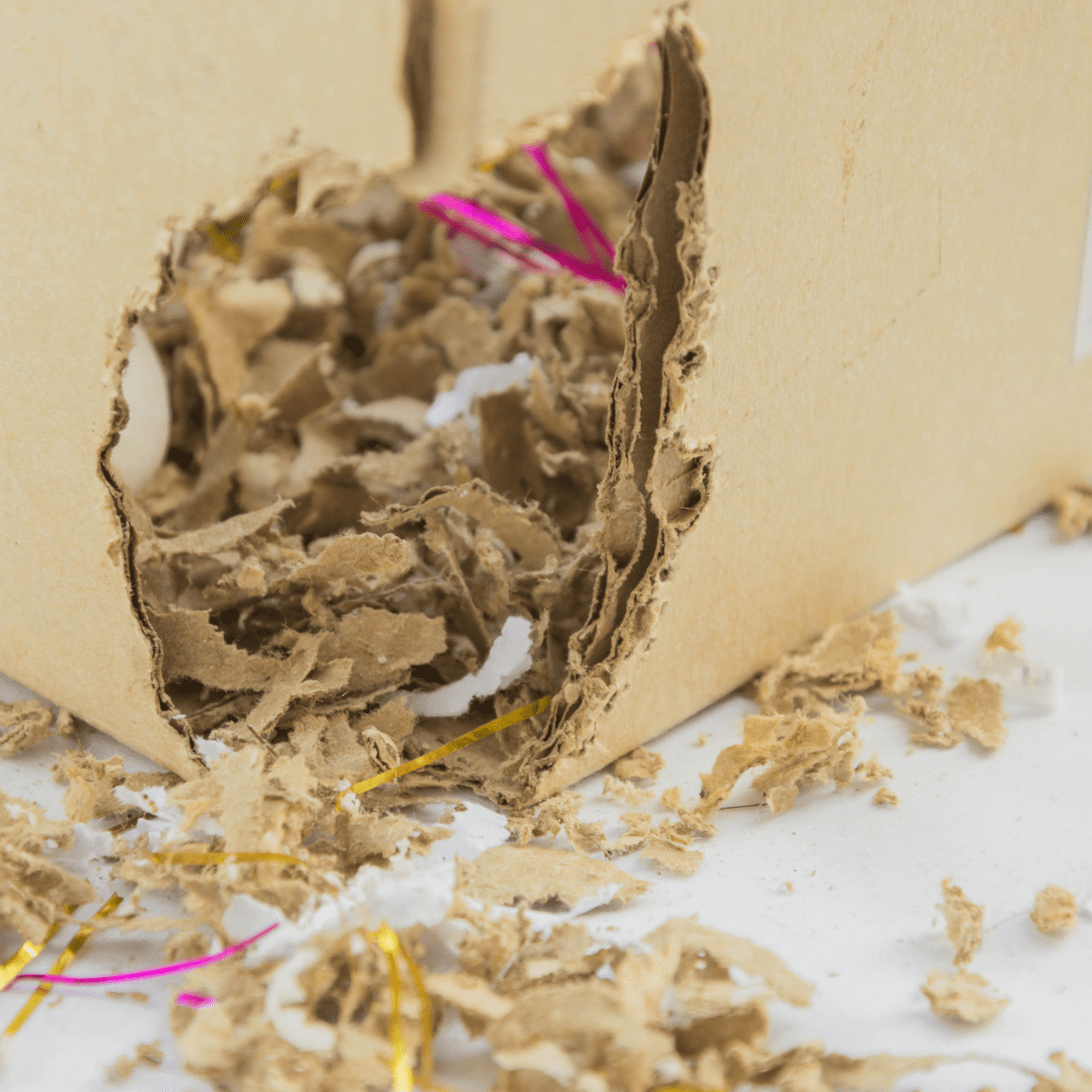
Sadly, this is not the case. A squeeky clean home can still have pest problems. Pests are sometimes only looking for warmth and shelter. They can chew through cupboards and packaging in their hunt for food once they have found a cosy place. An often overlooked aspect of pest treatment plans is the sealing of small cracks and places where pests can enter the building. Preventing entry is the best pest deterrent.
Having waste products on surfaces, overflowing bins and crumb ridden floors will obviously enhance the attraction of your home to rodents and other pests. But, it is certainly not a statement on your cleanliness if you find yourself with a pest problem. Part of the solution is likely to be cleaning every area of where the infestation has occurred but this is about inspecting it as you go, looking for entry points, whilst removing any temptations you might find along the way.
Myth - 2
Mice and rats love cheese.

It is quite common to see pictures of a humane mouse trap with a chunk of cheese in it. Yes, mice and rats will feast on cheese, although it is not very good for them. They will eat most foods that are put down for them but they will be particularly attracted to foods with lots of sugar or protein in them.
To bait humane traps you could use peanut butter, grains, chocolate or dried fruit and have more success. It is also important to block where they are entering the house, often under floors after finding a crack or nibbling their way through a vulnerable section. Try and remove any food from surfaces or easy to reach places as they will munch on just about anything for survival.
Myth - 3
Natural remedies are safer than chemical ones.
There are some natural remedies that work but it varies. It all comes down to how you apply them and what else you do at the same time. For instance, if you do not find out how the cockroaches are getting in then exterminating the ones you can find may not resolve the issue. Equally, bed bugs often require a professional approach.
Chemical remedies used at home is likely not a safe option. Employing a pest management firm to use tried and tested solutions in a controlled way is likely to be far more efficient. You may be against the clock as infestations tend to grow when they are not treated quickly. Discussing safe options with a pest management expert is usually free (we offer a free quote) and we are always looking for the most ecological approach to the problem.
Myth - 4
Bees only sting once.
Firstly, bees are not a pest. They can feel like one but they are an endangered species with 25% of all species in danger. The preferred option for a bee nest is always relocation so their pollination cycle is not interrupted. There are around 70 crops dependent on their pollination.
Now, to the myth in hand. Do they only sting once and then die? It has a yes and no answer. Male honey bees do only sting once when they are either threatened or when protecting their colony. The stinger plunges in detaching from the bee and ripping vital organs away from it, causing death. While they do only attack under those circumstances, walking close to a nest can trigger that protective response so be sure to give their home a bit of distance.
The flip side of this is that female bees can sting. A queen can sting other queens in protection of her nest and will not die. Female carpenter bees and female bumblebees rarely sting but also do not die after stinging.
Myth - 5
Most pests die naturally in winter.

As anyone who has used our services through winter are aware, pests do not die when the temperatures plummet. They seek warmth and shelter. That means they are actually more likely to leave external food sources (which become more scarce) and seek out warm and cosy homes and businesses. The four most common pests to encounter problems with in winter are mice, rats, squirrels and cluster flies.
Cluster flies, in particular, are a big problem for restaurants and food manufacturing businesses. They look for warm places to reproduce and multiply rapidly. Rats and mice can cause issues to electronics, damage masonry and chew through food storage as they too multiply in numbers. Squirrels may also look to enter homes to escape the cold. They can be more of an issue in cold temperatures and they certainly do not die out.
Myth - 6
Bed bugs are attracted to unclean beds and environments.
No they are not. These kinds of myths are unpleasant for people who have had bed bug issues or are suffering with them now. The fact is, bed bugs are attracted to places where blood is available. A nice warm human being is a large supply of their favourite meal. It is unsavoury I know but facts are facts! A clean bed might show bed bugs up a little quicker but so will lighter coloured sheets!
The process of eliminating bed bugs involves a deep clean because you need to make sure all eggs and bugs are exterminated. That is difficult when they can find the smallest places to hide (such as a wall plug) or behind a mattress label.
Myth - 7
One treatment is enough.
This is unlikely. Infestations usually take repeat visits and vigilance. In the case of food manufacturing, food handling, or food storage businesses then a maintenance plan is usually the only viable solution. We access each premises individually to work on the best solution to fit you and your needs. When the pests are exterminated by an initial treatment there are other steps to take to ensure eradication.
Preventing pests from entering the building or being attracted by any waste food items, rotting material or nice nesting materials. Finding out how they got in is crucial and not always immediate. A small crack or chewed hole could be well camouflaged or behind equipment/palettes/cupboards. Reducing what attracted them in can also take time. Changing waste management, house keeping habits and training staff to meet to new requirements all takes time.
Myth - 8
Fleas die without a host.
Yes fleas that are removed from their host will usually die within an average of four days. However, young fleas that haven’t fed can live a bit longer, around a week. The risk when dealing with fleas are any pre-emerged adults that remain inside their cocoons. These are the ones that are incubated under skirting boards and the edges or carpets.
If the pre-emerged adults remain inside their cocoons they enter a dormant-like state. They do not emerge unless a host is detected. They can last for up to 155 days in that state without feeding waiting for a host to arrive. That is why fleas can survive a treatment and even a season in a hibernation style state.
Myth - 9
Wasps are just annoying pests with no purpose.
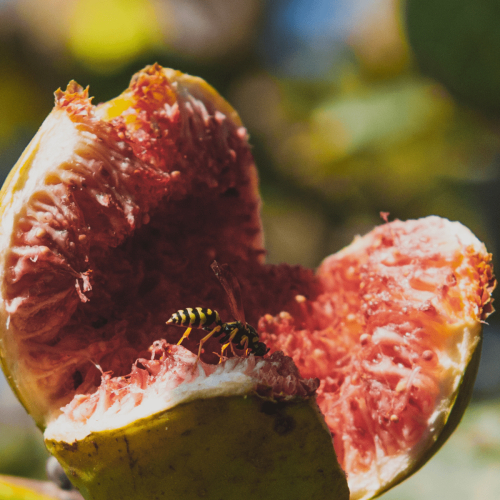
Wasps always get a bad press. They are annoying when you are sat out with a picnic or walk past a park bin in the height of summer, sipping on a sweet smelling drink. Plenty of people have been stung by a wasp or simply fear that sting. They do have a purpose, they are just not as popular as their cousins, the bees.
Wasps provide natural pest control by feeding on insects like flies, aphids and caterpillars. They reduce the need for pesticides by doing their part. They are also pollinators. Figs rely entirely on fig wasps (aptly named) for pollination. Wasps also serve as prey for birds, bats and other insect eating predators. They play their part in the ecological cycle of life. So they are not all bad!
Myth - 10
Peppermint oil can keep the rats away.
Yes rats have a keen sense of smell and when used in high concentrations where rats are entering, peppermint oil can deter rats. Consider that a rat can come in via a gap as small as 1cm. You need to strategically place the peppermint oil to cover all exposed areas because once they find a home they like they will look for other means of entry.
Peppermint oil will also fade over time so it will have to be reapplied and that is if the entry site is easy to access. A rat may also get used to the smell because they are used to sewers and dumps as habitats. Peppermint oil can work but it is probably not the best option available.
Our hub has been in Lincolnshire since we started but we operate throughout the country and some of our advisors see very little of our home county. Here are a few of the places we currently cover with active projects and maintenance contracts: