If you’re overseeing a food production site, you already know that pest activity is more than a nuisance — it’s a serious compliance risk. The presence of pests, such as rodents, flies, cockroaches, or stored product insects, can result in contamination, failed audits, product recalls, and even shutdowns.
Recognising the early signs of pest infestation is key to staying compliant and protecting your reputation. This guide covers the 10 most common warning signs to look out for, along with the pests most likely to be responsible for each one.
However, first, let’s examine the usual suspects in a food production setting.
Food facilities offer everything pests love: warmth, shelter, moisture, and, of course, food. Some of the most common intruders include:
Now that you know what you’re up against, let’s look at the top 10 indicators that pests may be present.
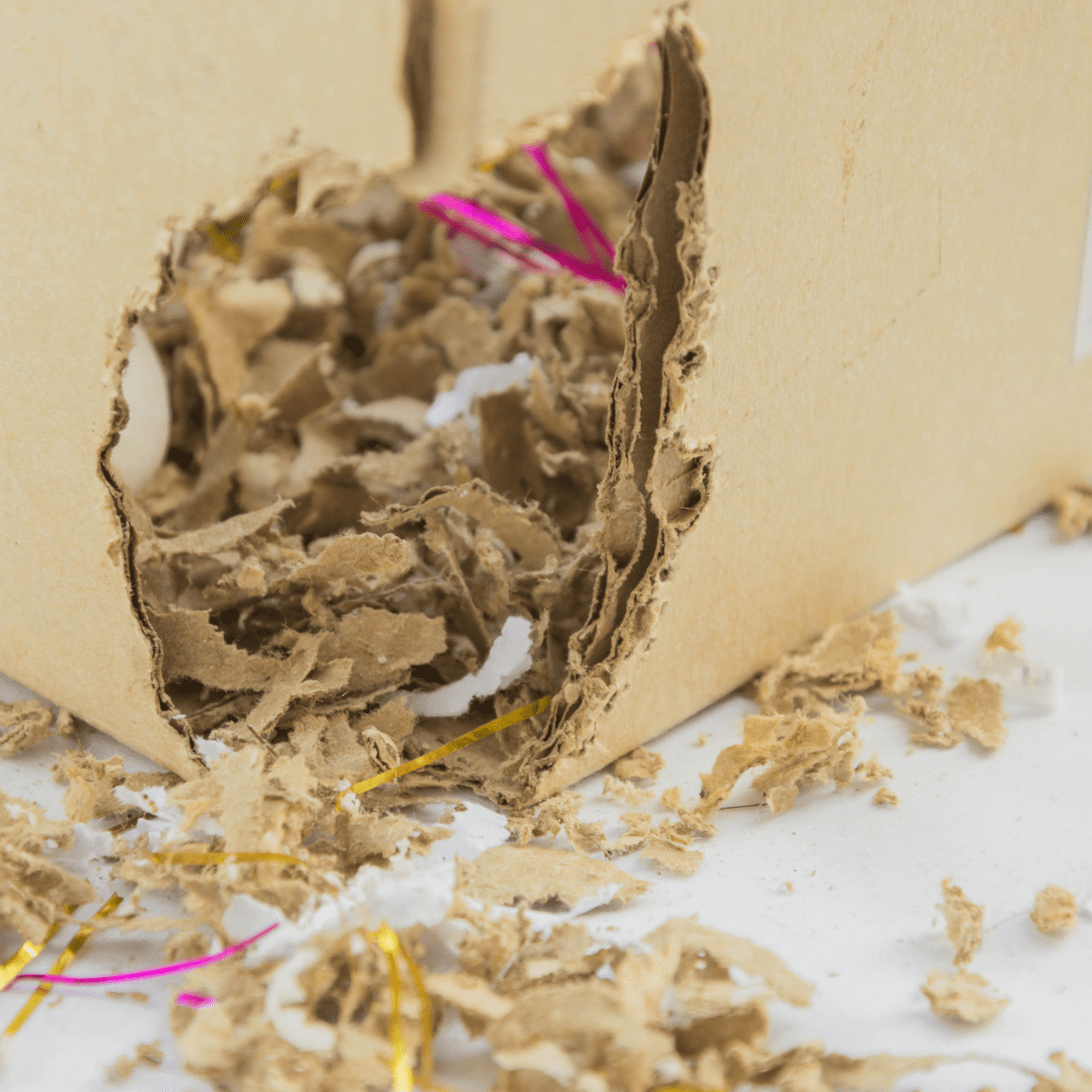
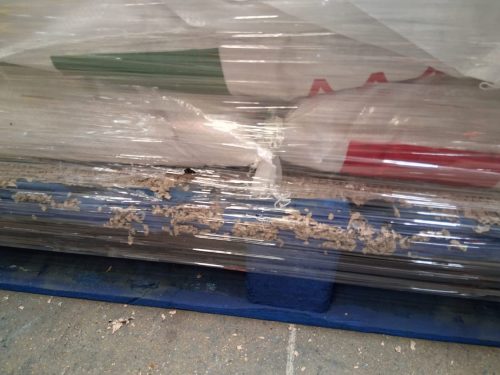
Torn packaging, chewed boxes, or holes in products are some of the most evident signs of pest activity. Rodents often gnaw through packaging, while stored product insects, such as weevils or beetles, may be found inside flour, rice, or cereals.
Keep an eye out for:
Pest sightings should never be ignored. A single cockroach or mouse spotted during production could indicate a much larger, hidden infestation.
Sightings to take seriously:
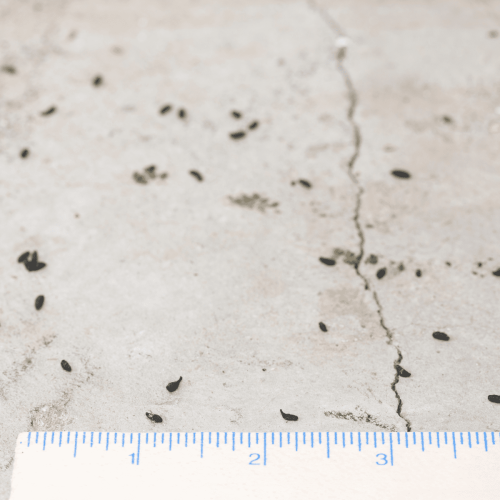
Droppings are a telltale clue that can even help identify the specific pest you’re dealing with.
Examples:
Ideally, get a sample of any droppings and show them to your pest control expert. Make sure your team knows the importance of cleanliness, but also reports the droppings so they can be recorded.
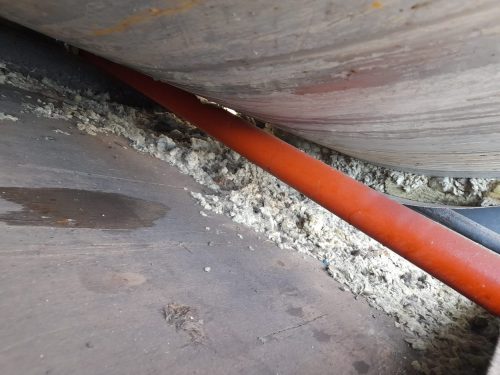
Rodents tend to follow the same routes along walls and equipment, leaving behind dirty smear marks or greasy trails from their fur. These marks often appear near baseboards or pipework and are a classic indicator of repeated movement.
Certain pests give off distinctive smells. For example:
Unusual odours should always be investigated promptly.
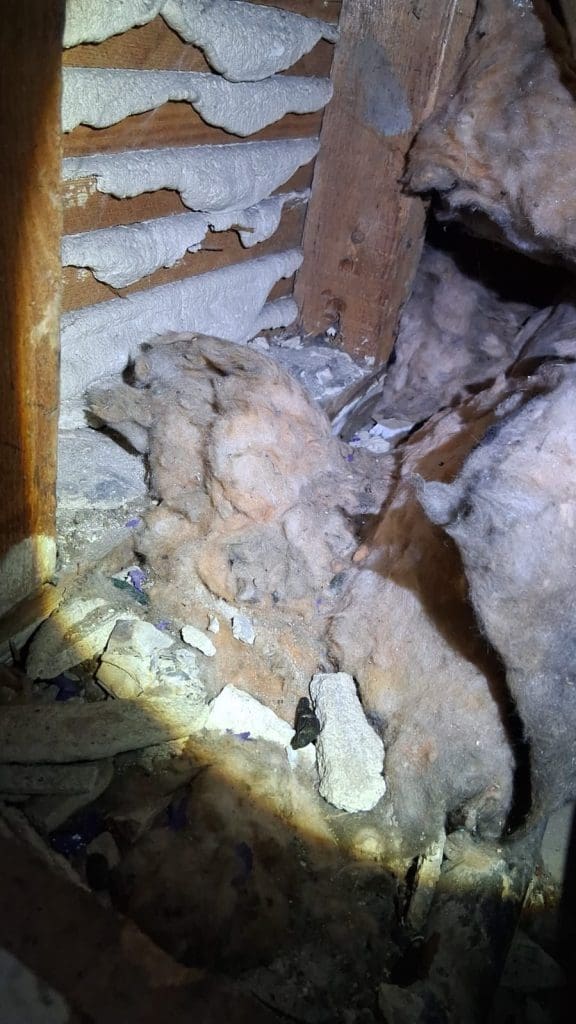
Pests can do more than contaminate products — they can damage the building itself.
Watch for:
This sign is most associated with moths and beetles. Indian meal moths, for example, leave behind webbing and larvae in grains and flour.
You might find:
Some pests leave behind more subtle clues, especially during moulting or breeding.
Check for:
These fragments often point to a growing infestation.
Some pests leave behind more subtle clues, especially during moulting or breeding.
Check for:
These fragments often point to a growing infestation.
Lastly, your team might notice signs before a formal inspection ever does.
Examples include:
Encourage your team to report anything unusual immediately.
In a food production setting, being aware of the early signs of pest infestation is part of your frontline defence. Regular inspections, staff training, and a strong relationship with your pest control provider are crucial to preventing minor issues from escalating into major incidents.
If you’re noticing any of the signs mentioned above, it’s time to take action. Don’t wait for a failed audit or customer complaint — schedule a professional site assessment and keep your standards where they belong: safe, clean, and compliant.
Need help identifying or addressing a potential pest issue? Contact our expert team for a site visit today.
Our hub has been in Lincolnshire since we started but we operate throughout the country and some of our advisors see very little of our home county. Here are a few of the places we currently cover with active projects and maintenance contracts: